|
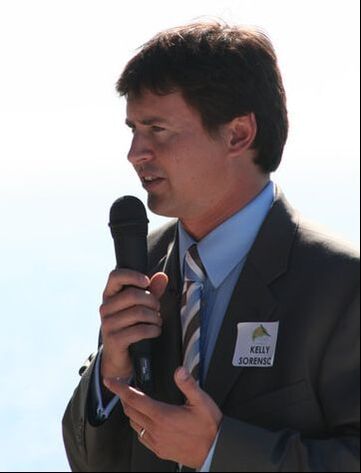
Kelly J Sorenson, BS, MPAExecutive Director
Ventana Wildlife Society 9699 Blue Larkspur Ln, Ste 105 Monterey, CA 93940 (831) 800-7420, fax (831) 455-2846 [email protected] |
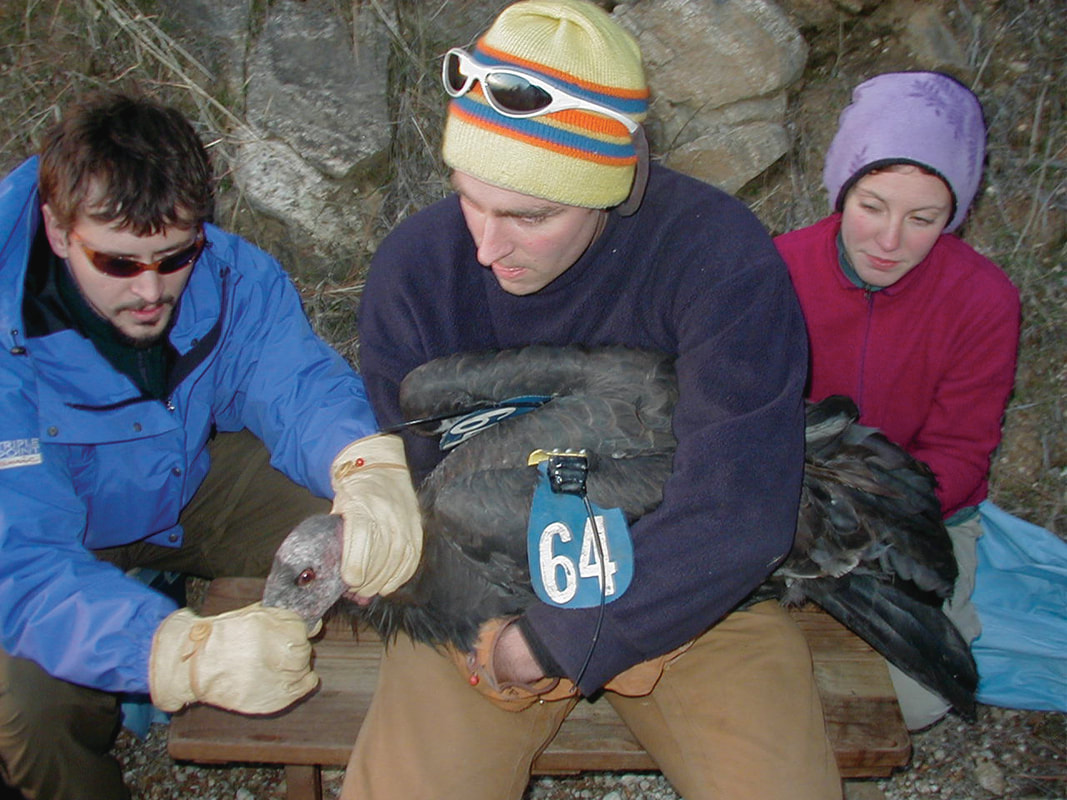
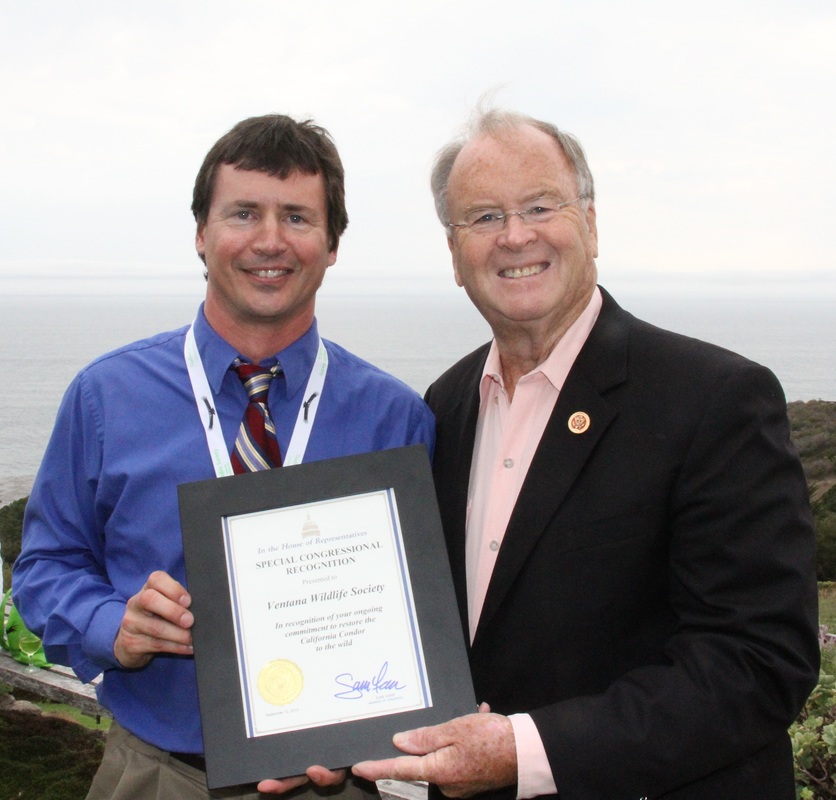
Kelly is a results-oriented executive director with over 20 years of progressively responsible experience in wildlife conservation and youth education. As a leader, Kelly received a Master’s degree in Public Administration from Golden Gate University and a Bachelor of Science in Wildlife Management at West Virginia University. Kelly has more than 15 years of experience in fundraising, human resources, public relations, program development, strategic planning, and peer-reviewed science. He led the development and growth of the organization from $300,000 to over $4,000,000 in net assets while leading the efforts to restore Bald Eagles and California Condors to the wild in central California. While seeking immediate solutions for wildlife conservation, his vision extends to future generations. With two children of his own, Kelly is proud of our youth outdoor education emphasis, and has expanded our nature classes to make them more available to youth in underserved communities. Kelly also volunteers as a board of director for the Monterey Peninsula Regional Park District and as a managing director for the California Central Coast Joint Venture.
Program management and administration
Biological monitoring
Endangered species restoration
Wildlife rehabilitation
Fundraising
Risk management
Human resources
Public speaking
Biological monitoring
Endangered species restoration
Wildlife rehabilitation
Fundraising
Risk management
Human resources
Public speaking
Chamberlain, C. P., J. R. Waldbauer, K. Fox-Dobbs, S. D. Newsome, P. L. Kock, D. R. Smith, M. E. Church, S. D. Chamberlain, K. J. Sorenson, and R. Risebrough. 2005. Pleistocene to recent dietary shifts in California condors. PNAS. Vol. 102, No. 46, pp 16707-16711.
Church, Molly E., R. Gwiazda, R. W. Risebrough, K. J. Sorenson, C. P. Chamberlain, S. Farry, W. Heinrich, B. A. Rideout, and D. R. Smith. 2006. Ammunition is the principal source of lead accumulated by California condors re-introduced to the wild. Environmental Science and Technology 40(19):6143-6150.
Kelly T. R., J. Grantham, D. George, A. Welch, J. Brandt, L. J. Burnett, K. J. Sorenson, M. Johnson, R. Poppenga , D. Moen, J. Rasico, J. Rivers, C. Battistone, and C.K. Johnson. 2014. Shifts toward greater independence increases risk of lead exposure for re-establishing endangered California condors. Conservation Biology.
Sorenson, K., L. J. Burnett, and J. R. Davis. 2001. Status of the California Condor and mortality factors affecting recovery. Endangered Species Update 18(4):120-123.
Sorenson K. J., and J. Burnett. 2007. Lead concentrations in the blood of Big Sur California Condors. Pages 185-195 in California Condors in the 21st Century (A. Mee and L.S. Hall, Eds.). Special Publication of the American Ornithologists’ Union and Nuttall Ornithological Club. pdf(1MB)
Sorenson, K. J., L. J. Burnett, and M. M. Stake. 2017. Restoring a Bald Eagle breeding population in central California and monitoring 25 years of regional population growth. Journal of Raptor Research 51:145-152.
Church, Molly E., R. Gwiazda, R. W. Risebrough, K. J. Sorenson, C. P. Chamberlain, S. Farry, W. Heinrich, B. A. Rideout, and D. R. Smith. 2006. Ammunition is the principal source of lead accumulated by California condors re-introduced to the wild. Environmental Science and Technology 40(19):6143-6150.
Kelly T. R., J. Grantham, D. George, A. Welch, J. Brandt, L. J. Burnett, K. J. Sorenson, M. Johnson, R. Poppenga , D. Moen, J. Rasico, J. Rivers, C. Battistone, and C.K. Johnson. 2014. Shifts toward greater independence increases risk of lead exposure for re-establishing endangered California condors. Conservation Biology.
Sorenson, K., L. J. Burnett, and J. R. Davis. 2001. Status of the California Condor and mortality factors affecting recovery. Endangered Species Update 18(4):120-123.
Sorenson K. J., and J. Burnett. 2007. Lead concentrations in the blood of Big Sur California Condors. Pages 185-195 in California Condors in the 21st Century (A. Mee and L.S. Hall, Eds.). Special Publication of the American Ornithologists’ Union and Nuttall Ornithological Club. pdf(1MB)
Sorenson, K. J., L. J. Burnett, and M. M. Stake. 2017. Restoring a Bald Eagle breeding population in central California and monitoring 25 years of regional population growth. Journal of Raptor Research 51:145-152.